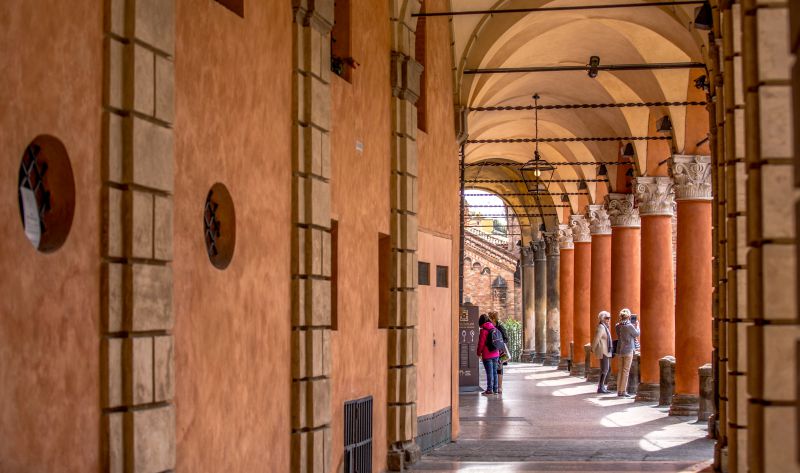
Italy is one of the most complete travel destinations in the world. Few countries can offer ancient ruins, Renaissance cities, romantic canals, dramatic coastlines, alpine landscapes, island culture, world-famous food, and everyday street life in one journey.
A trip to Italy is not only about seeing monuments. It is about walking through layers of civilization, from Roman amphitheaters and medieval alleys to elegant cafés, local markets, seaside villages, and mountain roads.
For first-time visitors, Italy can feel overwhelming because every region has its own personality. Rome tells the story of empire and faith. Florence feels like an open-air museum of the Renaissance. Venice is a city built on water, fragile and unforgettable. The Amalfi Coast turns cliffs and sea into one of Europe’s most scenic journeys. Cinque Terre is perfect for travelers who love villages, walking trails, and sea views. The Dolomites offer a completely different Italy, made of mountains, lakes, alpine huts, and outdoor adventure. Sicily adds volcanic landscapes, archaeology, beaches, markets, and a powerful island identity.
This guide brings together the most useful travel information for planning a rich, practical, and beautiful Italy itinerary.
Why Visit Italy?
Italy is ideal for travelers who want variety without leaving one country. You can spend the morning inside a museum, have lunch in a family-run trattoria, walk through a historic square in the afternoon, and end the day with sunset over the sea or mountains.
The country is especially strong for:
- Art and architecture
- Ancient Roman history
- Renaissance museums
- Regional food and wine
- Coastal towns and islands
- Scenic train journeys
- Religious and cultural landmarks
- Slow travel through walkable cities
Italy is not a destination to rush. The best experience often comes from balancing famous landmarks with quieter local moments: a morning espresso at the bar, a small bakery, a neighborhood market, a church courtyard, or a late evening walk through narrow streets.
Best Places to Visit in Italy
Rome: The Eternal City
Rome is the best starting point for understanding Italy’s historical depth. The city combines ancient ruins, Renaissance palaces, Baroque fountains, churches, piazzas, and everyday Roman life. It is not a polished museum city. It is alive, chaotic, beautiful, noisy, and layered.
The Colosseum and Roman Forum are essential for first-time visitors. They show the power and scale of ancient Rome. Nearby, the streets around Monti offer a more local atmosphere with restaurants, cafés, and small shops. The Pantheon, Piazza Navona, Trevi Fountain, and Spanish Steps create a classic walking route through the historic center.
Rome also has a strong religious and artistic side. St Peter’s Basilica and the Vatican Museums are among the most visited cultural sites in the world. Even outside the Vatican, Rome is full of churches with extraordinary art, often hidden behind simple façades.
Best things to do in Rome
Visit the Colosseum and Roman Forum, explore the Pantheon, walk through Piazza Navona, throw a coin at the Trevi Fountain, visit St Peter’s Basilica, and spend time in neighborhoods like Trastevere, Monti, and Testaccio.
Travel tip
Rome is best explored on foot, but distances can be long. Use the metro or buses for bigger transfers, then walk inside historic neighborhoods.
What to avoid
Do not treat churches as casual tourist spaces. Shoulders and knees should be covered in major basilicas and religious sites. Also be careful with pickpockets in crowded areas, especially around transport hubs and famous attractions.
Florence: The Renaissance Capital
Florence is one of the most concentrated art cities in Europe. It is compact, elegant, and deeply connected to the Renaissance. Unlike Rome, which feels large and layered, Florence feels more focused. The historic center is walkable, and many of its most important sites are close to each other.
The Duomo is the visual heart of the city. Its dome dominates the skyline and gives Florence one of the most recognizable silhouettes in Italy. The Uffizi Gallery is essential for Renaissance painting, while the Accademia is best known for Michelangelo’s David.
Florence is also a city of craft. Across the river in Oltrarno, you can find artisan workshops, small boutiques, leather goods, and quieter streets. The city is also a strong food destination, especially for Tuscan dishes, steak, wine, and simple traditional cooking.
Best things to do in Florence
Visit the Duomo area, climb to a viewpoint such as Piazzale Michelangelo, explore the Uffizi Gallery, see Michelangelo’s David, cross Ponte Vecchio, and spend time in the Oltrarno district.
Travel tip
Book major museums in advance, especially the Uffizi and Accademia. Florence is popular year-round, and queues can be long.
What to avoid
The Florence Duomo requires clothing suitable for a place of worship. Avoid bare shoulders and very short clothing when entering religious sites.
Venice: A City Built on Water
Venice is unlike any other city in Italy. It is not just a destination; it is an experience of movement, silence, reflection, and water. There are no cars in the historic center, so the rhythm of the city is completely different. You walk, cross bridges, take boats, and slowly understand how the city works.
St Mark’s Square, St Mark’s Basilica, the Doge’s Palace, and the Grand Canal are the classic highlights. But Venice becomes more interesting when you leave the busiest routes. Early morning and late evening walks reveal a quieter city, especially in neighborhoods away from the main tourist flow.
The lagoon islands add another layer. Murano is known for glass, Burano for colorful houses and lace, and Torcello for older lagoon history. Venice is also a fragile city, so responsible behavior matters more here than in many other places.
Best things to do in Venice
Visit St Mark’s Square, take a vaporetto along the Grand Canal, explore the Doge’s Palace, walk through quieter districts like Cannaregio or Dorsoduro, and take a day trip to Murano and Burano.
Travel tip
Stay at least one night if possible. Venice is much more beautiful before day-trippers arrive and after they leave.
What to avoid
Do not sit and eat on steps, bridges, or monuments. Do not swim in canals. Cycling is not allowed in the historic center. Venice has strict visitor rules because the city is delicate and crowded.
Amalfi Coast: Cliffs, Sea and Scenic Villages
The Amalfi Coast is one of Italy’s most dramatic coastal landscapes. Towns are built into steep cliffs above the sea, with narrow roads, lemon terraces, colorful houses, beaches, and panoramic views. It is beautiful, but it can also be crowded and expensive, especially in summer.
Positano is the most famous town, known for its vertical layout and postcard views. Amalfi has historical importance and a beautiful cathedral. Ravello, located higher above the sea, offers gardens, villas, and some of the best views on the coast.
The Amalfi Coast works best when you travel slowly. Ferries are often more pleasant than driving, especially in high season. A rushed car itinerary can become stressful because roads are narrow and traffic can be heavy.
Best things to do on the Amalfi Coast
Visit Positano, Amalfi, and Ravello, take a ferry along the coast, enjoy sea views, explore local ceramics and lemon products, and consider walking routes like the Path of the Gods.
Travel tip
Use ferries when available. They give beautiful views and help avoid road traffic.
What to avoid
Do not plan too many towns in one day. The coast is small on the map but slow in practice.
Cinque Terre: Five Villages Between Sea and Cliffs
Cinque Terre is a group of five coastal villages in Liguria: Monterosso, Vernazza, Corniglia, Manarola, and Riomaggiore. The area is famous for colorful houses, sea views, terraced hillsides, walking trails, and train connections between villages.
This is a strong destination for travelers who enjoy scenic walks and compact itineraries. You can move between villages by train, boat, or hiking paths depending on the season and trail conditions. Each village has its own character. Monterosso has the best beach feel, Vernazza is especially photogenic, Corniglia sits higher above the sea, Manarola is famous for views, and Riomaggiore has a dramatic harbor setting.
Best things to do in Cinque Terre
Visit all five villages, walk selected coastal trails, photograph Manarola and Vernazza, swim in season, try Ligurian pesto, and explore local wine terraces.
Travel tip
Check trail conditions before hiking. Some paths may close due to weather, maintenance, or safety concerns.
What to avoid
Do not hike in flip-flops or unsuitable shoes. The trails can be steep, exposed, and uneven. Avoid hiking during the hottest hours in summer.
The Dolomites: Italy’s Alpine Side
The Dolomites show a completely different face of Italy. Instead of ancient ruins and piazzas, you find sharp mountain peaks, alpine lakes, wooden villages, mountain huts, ski areas, and scenic roads. This region is perfect for hiking, photography, skiing, road trips, and nature-focused travel.
The Dolomites are especially beautiful in summer and early autumn for hiking, and in winter for snow sports. Popular areas include Val Gardena, Cortina d’Ampezzo, Alta Badia, Tre Cime di Lavaredo, Lago di Braies, and Alpe di Siusi.
This is a destination where planning matters. Weather can change quickly, and mountain routes should be chosen based on ability and conditions.
Best things to do in the Dolomites
Visit Lago di Braies, hike around Tre Cime di Lavaredo, explore Val Gardena, ride mountain cable cars, stay in alpine villages, and enjoy mountain food in rifugi.
Travel tip
Renting a car is useful for flexibility, but some areas are also accessible by public transport and cable cars.
What to avoid
Do not underestimate mountain trails. Choose routes based on your fitness, weather, and available daylight.
Sicily: Island Culture, Volcanoes and Ancient History
Sicily is Italy at island scale. It has Greek temples, Roman ruins, Arab-Norman architecture, Baroque towns, beaches, markets, volcanoes, and a food culture that feels distinct from mainland Italy.
Mount Etna is one of Sicily’s most powerful natural landmarks. Cities like Palermo and Catania offer intense street life, markets, churches, and layered architecture. Syracuse connects visitors to Greek history, while towns like Noto, Ragusa, and Modica show Sicily’s Baroque beauty.
Sicily is ideal for travelers who want a more independent and regional experience. It can feel less polished than the classic Rome-Florence-Venice route, but that is part of its appeal.
Best things to do in Sicily
Visit Palermo’s markets, explore Mount Etna, see the Valley of the Temples, walk through Ortigia in Syracuse, discover Baroque towns, and enjoy Sicilian food such as arancini, cannoli, granita, seafood, and pasta alla Norma.
Travel tip
Sicily is large. Do not try to see the whole island in a few days. Choose either the east, the west, or a longer road trip.
What to avoid
Do not rely only on public transport if you want to explore smaller towns and beaches. A car is often helpful outside major cities.
Suggested Italy Itinerary for First-Time Visitors
7-Day Classic Italy Itinerary
Day 1: Rome Arrival
Arrive in Rome, settle into your hotel, and take an easy evening walk through the historic center. Visit the Trevi Fountain, Pantheon area, or Piazza Navona depending on where you stay.
Day 2: Ancient Rome
Visit the Colosseum, Roman Forum, and Palatine Hill. In the evening, explore Monti or Trastevere for dinner.
Day 3: Vatican and Central Rome
Visit St Peter’s Basilica and the Vatican Museums. Later, walk through Castel Sant’Angelo, Piazza Navona, and Campo de’ Fiori.
Day 4: Florence
Take the train to Florence. Visit the Duomo area, Ponte Vecchio, and Piazzale Michelangelo for sunset.
Day 5: Florence Museums and Oltrarno
Visit the Uffizi or Accademia, then spend time in the Oltrarno district for food, artisans, and quieter streets.
Day 6: Venice
Take the train to Venice. Explore the Grand Canal, Rialto area, and St Mark’s Square. Stay overnight to experience Venice after the day crowds leave.
Day 7: Venice and Departure
Visit the Doge’s Palace or take a short lagoon island trip before departure.
This itinerary is fast but realistic for a first trip. For a slower version, choose only Rome and Florence, or Rome and the Amalfi Coast.
Best Time to Visit Italy
The best months to visit Italy are usually April to June and September to October. These periods offer pleasant weather, good light, and fewer extremes than peak summer.
Spring: April to June
Spring is one of the best seasons for cities, countryside, and cultural travel. Rome, Florence, Venice, and Tuscany are especially enjoyable.
Summer: July to August
Summer is hot, crowded, and expensive in many famous destinations. It is good for beaches and islands but less comfortable for heavy city sightseeing.
Autumn: September to October
Autumn is excellent for food, wine, cities, and landscapes. Temperatures are usually more comfortable, and the atmosphere is calmer than in August.
Winter: November to March
Winter is best for lower crowds in cities, museum travel, Christmas atmosphere, and skiing in the mountains. Coastal destinations may feel quiet or partly closed.
Italy Travel Budget for One Week
A realistic one-week Italy budget depends heavily on travel style, season, and city choice. Rome, Florence, Venice, Amalfi Coast, and popular lake areas can be expensive, especially in high season.
| Cost Item | Low Budget | Mid Range | High Budget |
|---|---|---|---|
| Flights reserve | $250 | $700 | $1,500 |
| Accommodation | $280 | $714 | $1,757 |
| Local transport | $84 | $224 | $595 |
| Food | $252 | $623 | $1,505 |
| Activities | $84 | $217 | $595 |
| Contingency | $70 | $178 | $445 |
| Total | $1,020 | $2,656 | $6,397 |
These are planning estimates, not fixed prices. Flights vary depending on departure city. Accommodation costs also change significantly between winter, shoulder season, and summer.
Budget travelers can save by using trains, staying outside the most central zones, eating at bakeries and casual trattorias, and booking attractions early. Mid-range travelers should plan carefully for Venice, Amalfi Coast, and Florence, where hotels can become expensive.
Entry Requirements for Italy
Italy follows Schengen Area rules. Visa requirements depend on your nationality, so travelers should always check the official Italian visa portal or their local Italian embassy or consulate before departure.
In general, travelers entering Italy or the Schengen Area need a passport or travel document that:
- Is valid for at least three months after the planned departure from the Schengen Area
- Was issued within the previous ten years
- Has at least two free pages
For visa-exempt travelers, ETIAS is expected to become relevant when the EU system begins operating. As of the document’s check date, ETIAS was not yet active, but travelers planning later trips should recheck before departure.
Local Customs and Travel Etiquette in Italy
Italy is relaxed in many ways, but visitors should respect cultural and religious spaces.
When visiting churches, basilicas, and cathedrals, cover shoulders and knees. This is especially important in places such as St Peter’s Basilica and Florence’s Duomo.
In restaurants, meals are often slower than in fast-service cultures. Do not expect every restaurant to serve food all day. Lunch and dinner times matter, especially outside very touristy areas.
Coffee culture is also different. Italians often drink cappuccino in the morning and espresso later in the day. This is not a strict rule for tourists, but understanding the habit helps you feel the rhythm of local life.
In Venice, respect city rules. Do not sit on bridges or monuments to eat, do not swim in canals, and avoid blocking narrow streets or bridges for photos.
Safety Tips for Italy
Italy is generally safe for tourists, but petty theft can happen in crowded places. Be especially careful in train stations, metro systems, buses, tourist squares, and busy attractions.
Useful safety habits:
- Keep your bag closed and in front of you in crowds
- Avoid leaving phones on restaurant tables
- Be careful around ticket machines and transport hubs
- Do not buy counterfeit goods from street sellers
- Respect monuments and protected sites
- Use official taxis or trusted transport apps where available
Tourists can face fines for damaging monuments, buying counterfeit goods, or breaking local rules in cities like Venice.
What to Eat in Italy
Italian food is regional. The best thing you can do is eat local dishes rather than looking for the same menu everywhere.
- Rome: carbonara, cacio e pepe, amatriciana, supplì, and Roman-style artichokes.
- Florence and Tuscany: bistecca alla fiorentina, ribollita, pappardelle al cinghiale, pecorino, and Tuscan wines.
- Venice: cicchetti, seafood risotto, baccalà mantecato, and local lagoon seafood.
- Amalfi Coast: lemon desserts, seafood, mozzarella, and fresh pasta.
- Liguria and Cinque Terre: pesto, focaccia, seafood, and local white wines.
- Sicily: arancini, cannoli, granita, pasta alla Norma, caponata, fresh seafood, and pistachio desserts.
Best Travel Tips for Italy
- Book high-demand attractions in advance, especially the Colosseum, Vatican Museums, Uffizi Gallery, Accademia, and popular Venice landmarks.
- Use trains between major cities. Rome, Florence, Bologna, Milan, Venice, and Naples are well connected by rail.
- Do not overpack your itinerary. Italian cities reward slow walking, long meals, and spontaneous discoveries.
- Stay overnight in famous day-trip destinations when possible. Venice, Florence, and coastal towns feel very different early in the morning and late in the evening.
- Learn a few Italian phrases. Even simple words like “buongiorno,” “grazie,” “per favore,” and “scusi” make interactions warmer.
Final Thoughts
Italy is not just one destination. It is a collection of different worlds connected by history, food, art, landscape, and daily rituals. A first trip can focus on Rome, Florence, and Venice for the classic cultural route. A second trip can explore the Amalfi Coast, Cinque Terre, the Dolomites, Sicily, or smaller regional towns.
The best way to experience Italy is to balance famous places with slower local moments. See the Colosseum, but also sit in a quiet piazza. Visit the Uffizi, but also wander through artisan streets. Take photos in Venice, but also respect its fragile beauty. Eat famous dishes, but choose regional specialties.
Italy is a country where travel feels layered: every street, meal, church, coast, and mountain view carries a story. That is why visitors return again and again.