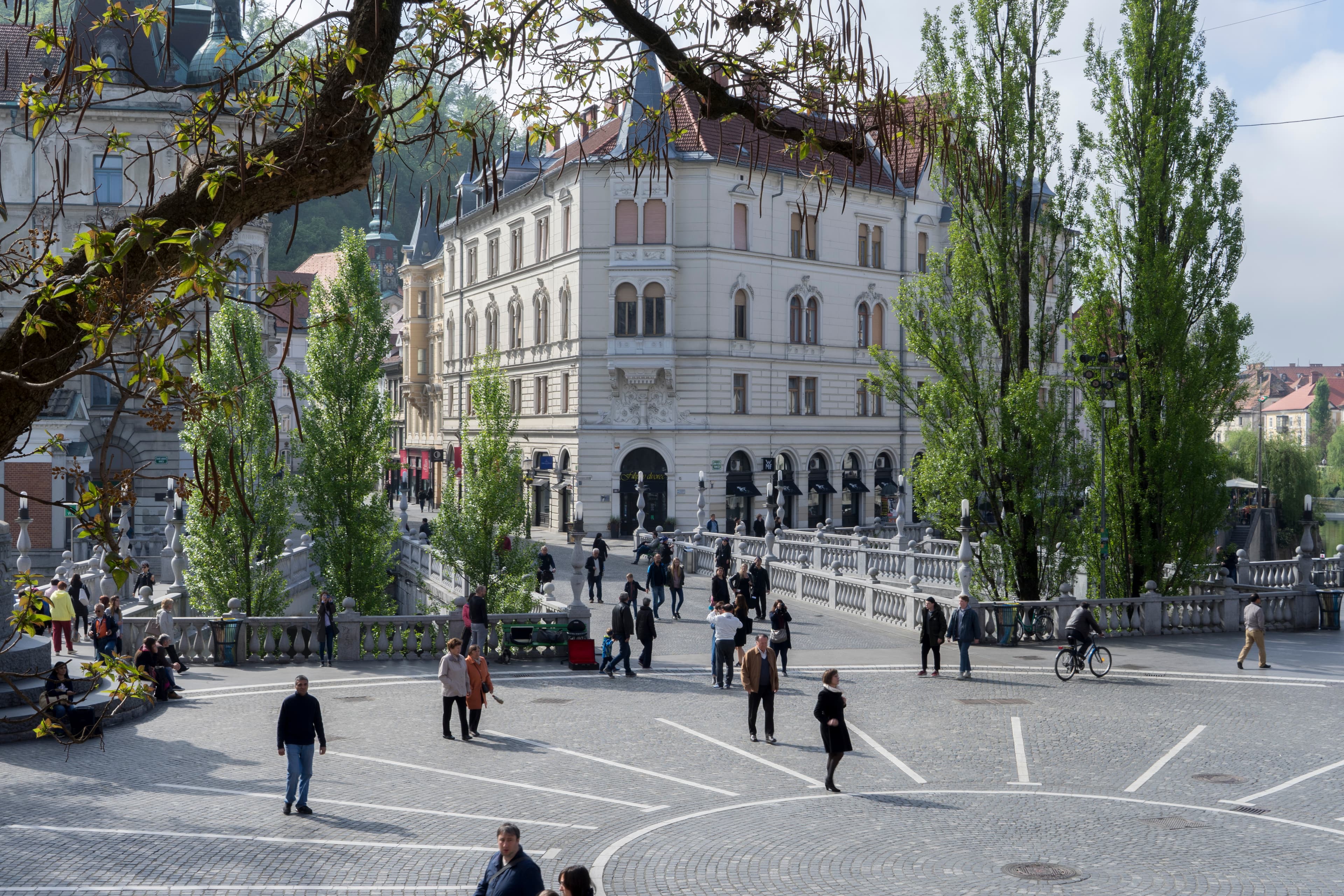
Affordable European City Breaks for 2026–2027
A practical guide to European cities where travelers can enjoy a great weekend without spending heavily on accommodation, food, transport, and attractions.
Updated for 2026 planning. Prices are realistic planning ranges rather than guaranteed rates. Accommodation, airfares, exchange rates, attraction fees, and 2027 transport fares can change, so recheck exact prices before booking.

A European city break does not have to mean an expensive hotel, airport taxi, restaurant bill, and a long list of paid attractions. With the right destination, a two-night or three-night trip can still be surprisingly affordable in 2026–2027.
The key is to look beyond headline flight prices. A €25 flight is not a bargain if the airport transfer costs €30 each way, the cheapest central room is €150 a night, and every major attraction requires a ticket. A genuinely affordable city break combines reasonably priced accommodation with inexpensive local food, walkable neighborhoods, low-cost public transport, and enough free things to do that you do not need a large sightseeing budget.
This guide focuses on ten cities that can work particularly well for budget-conscious travelers: Kraków, Budapest, Sofia, Bucharest, Sarajevo, Tirana, Porto, Valencia, Zagreb, and Bratislava. They are not identical in price, but each offers a realistic route to a memorable weekend without automatically pushing the total cost into luxury-city territory.
Quick answer: how much should you budget?
For a two-night weekend, a useful planning target is approximately €150–€300 per person before the flight or long-distance train. The lower end is most realistic in cities such as Sarajevo, Sofia, Tirana, Bucharest, and Kraków, especially when using hostels or sharing a private room. Porto and Valencia usually need a little more room in the budget because accommodation can rise sharply on popular weekends.
The sample budgets in this article assume two travelers sharing a reasonably located budget double room, eating mostly at local casual restaurants, bakeries, markets, and cafés, using public transport only when needed, and choosing a mix of free sights and one or two paid attractions. Solo travelers using dorm beds can often spend less, while travelers booking last minute, visiting during major events, or choosing boutique hotels can spend much more.
What makes a city break affordable?
A cheap flight is only one part of the calculation. Before choosing a destination, compare the complete weekend rather than the ticket alone.
- Accommodation: Two hotel nights are often the largest expense. A city with €50–€80 budget rooms can beat a destination with a cheaper flight but €140 rooms.
- Airport transfer: Rail, metro, or local bus connections can save a surprising amount compared with taxis and private shuttles.
- Food: Cities with bakeries, markets, lunch menus, street food, and inexpensive local restaurants are much easier to enjoy on a budget.
- Public transport: A walkable center plus inexpensive tickets is ideal. You should not need a tourist sightseeing bus just to move between major attractions.
- Free attractions: Historic centers, parks, viewpoints, river walks, markets, churches, and neighborhoods can fill much of a weekend without admission fees.
- Trip length: Compact cities are excellent for two nights because you can see a lot without paying for a third hotel night.
Best months for cheaper European city breaks
For many European cities, the best balance between price and experience comes in the shoulder season. Late January to March, excluding major holiday weekends, can be excellent for Central and Eastern European cities if you do not mind cold weather. April, May, late September, October, and November can also work well, although school holidays, football matches, festivals, Christmas markets, and major trade fairs can suddenly increase hotel rates.
For Porto and Valencia, winter and late autumn can be particularly useful for budget travelers because accommodation demand is often lower than in late spring and summer. Tirana and Sarajevo can also offer excellent value outside the peak summer period. Always search your exact dates before deciding that a traditionally “cheap” city will actually be cheap on your weekend.
Kraków, Poland

Kraków is one of the easiest cities on this list to turn into a satisfying two- or three-night break. The Old Town, Main Market Square, Planty Park, Wawel area, and Kazimierz are close enough that you can spend much of the weekend walking.
Best-value months: January to March, late October, and November are often good for lower accommodation prices. December can look inexpensive on some dates, but Christmas-market weekends can push rates much higher.
Typical budget accommodation: Plan roughly €10–€20 per person for a hostel dorm in lower-demand periods and around €45–€75 for a simple double room. Central Friday and Saturday nights can be more expensive.
Cheap local food to try: Pierogi, zapiekanka, obwarzanek, Polish soups, and traditional milk-bar meals are ideal for keeping food costs under control. A budget traveler can often plan around €20–€30 a day for food without relying on supermarkets for every meal.
Public transport: Kraków's current city fares make occasional public transport inexpensive. In 2026, a standard 30-minute or single-journey ticket is 6 PLN, while a 24-hour Zone I ticket is 20 PLN. If your accommodation is central, you may need very few rides.
Free and low-cost attractions: Main Market Square, Planty Park, much of Kazimierz, the exterior and grounds around Wawel, riverside walks, and the city's churches and streets can fill a large part of a weekend.
Airport tip: The rail connection between Kraków Airport and Kraków Main Station is a straightforward alternative to a taxi. The current fare is 20 PLN each way.
Realistic two-night land budget: €160–€220 per person when sharing a budget double room.
Best for: First-time budget city breakers, couples, solo travelers, food-focused weekends, and travelers who want a city that works well in only two nights.
Budapest, Hungary
Budapest feels grander than its budget suggests. The Danube, Buda Castle district, Parliament views, bridges, markets, ruin-bar neighborhoods, thermal-bath culture, and monumental architecture make it suitable for travelers who want a “big capital” experience without London, Paris, or Amsterdam pricing.
Best-value months: January, February, early March, and November can be good value. Prices usually rise around New Year, major festivals, Formula 1 weekend, and busy summer periods.
Typical budget accommodation: Hostel beds can often be found around €10–€22 in lower-demand periods. A basic double room may fall around €50–€85, but central weekend prices vary significantly.
Cheap local food to try: Lángos, goulash soup, bakery snacks, local canteens, market meals, and daily lunch menus are useful for keeping spending reasonable. Plan approximately €25–€35 per day for a careful but enjoyable food budget.
Public transport: A standard single ticket is currently 500 HUF. A 24-hour Budapest travelcard costs 2,750 HUF and a 72-hour version costs 5,750 HUF. For a compact weekend, the 24-hour or 72-hour option can be more convenient than buying individual tickets.
Free and low-cost attractions: Walk along the Danube, cross Chain Bridge, explore the Castle District streets, enjoy free viewpoints, visit City Park, and wander through the Jewish Quarter. Some famous viewpoints and museums are paid, but Budapest can still be visually impressive with very little admission spending.
Airport tip: The direct 100E Airport Express costs 2,500 HUF. Travelers focused purely on price can also compare the 200E connection combined with regular public transport.
Realistic two-night land budget: €175–€240 per person.
Best for: Couples, nightlife, solo travelers, architecture, thermal-bath trips, and travelers who want a capital-city atmosphere on a controlled budget.
Sofia, Bulgaria
Sofia remains one of the most useful capitals for travelers who want low daily costs. The center is compact, food can be inexpensive, public transport is cheap, and the city offers a mix of Orthodox churches, Roman remains, parks, broad boulevards, and mountain views.
Best-value months: February, March, November, and parts of winter are often excellent for accommodation value. Spring and early autumn can provide a better weather-to-price balance.
Typical budget accommodation: Dorm beds can often fall around €8–€18, while simple private doubles may be around €40–€70 outside high-demand dates.
Cheap local food to try: Banitsa, shopska salad, kebapche, soups, bakery items, and Bulgarian grill dishes. Around €18–€28 per day can be a realistic food budget for travelers choosing local establishments rather than tourist-focused restaurants.
Public transport: Sofia's 30 Plus ticket costs €0.80 in 2026 and allows transfers under its time rules. Contactless travelers using the same bank card can benefit from a daily cap: after more than two 30 Plus tickets in the day, the fare is aggregated to a €2 daily pass.
Free and low-cost attractions: Alexander Nevsky Cathedral, the area around the ancient Serdica remains, Vitosha Boulevard, Borisova Garden, city churches, public squares, and several outdoor archaeological areas.
Airport tip: Sofia Airport is connected to the city's public transport network by metro, so there is usually no reason for a budget traveler to begin or end the trip with an expensive private transfer.
Realistic two-night land budget: €145–€200 per person.
Best for: Solo travelers, very cost-conscious travelers, food value, short winter breaks, and anyone who wants an inexpensive capital with easy public transport.
Bucharest, Romania
Bucharest works well for travelers who enjoy a mix of grand architecture, café culture, nightlife, large parks, and a slightly less polished but energetic capital-city feel. Accommodation and food can still be inexpensive compared with many Western European capitals.
Best-value months: February, March, late October, and November. Summer can still be affordable, but heat and weekend demand may affect the experience and room rates.
Typical budget accommodation: Dorm beds can frequently be found around €8–€20, while simple private rooms can fall around €40–€70.
Cheap local food to try: Covrigi, mici, ciorbă, pastries, grilled meats, and set lunch menus. A careful traveler can plan roughly €20–€30 per day for food.
Public transport: A 90-minute metropolitan surface-transport journey costs 3 lei. An integrated metropolitan plus metro journey valid for 120 minutes costs 7 lei.
Free and low-cost attractions: Old Town streets, Revolution Square, Calea Victoriei, Herăstrău/King Michael I Park, Carol Park, neighborhood walks, and the exterior of major historic buildings.
Airport tip: The train between Henri Coandă Airport and București Nord is one of the best budget-transfer options. The official fare is currently 6.50 lei when purchased before boarding; buying from the conductor can cost more.
Realistic two-night land budget: €150–€210 per person.
Best for: Nightlife, food, solo trips, large-city weekends, and travelers looking for good hotel value.
Sarajevo, Bosnia and Herzegovina
Sarajevo is one of the most distinctive low-cost city breaks in Europe. Ottoman-era streets, Austro-Hungarian architecture, Balkan food, mountain scenery, historic sites, mosques, churches, and cafés are concentrated into a city that feels culturally rich without requiring a large weekend budget.
Best-value months: March, April, October, and November. Winter can also be inexpensive, although weather and air quality should be considered.
Typical budget accommodation: Hostel beds commonly start around €10–€20, while budget private rooms can be approximately €35–€65 outside peak periods.
Cheap local food to try: Ćevapi, burek, sirnica, zeljanica, soups, Bosnian coffee, and bakery meals. Sarajevo is one of the easiest cities in this guide for eating well without a large restaurant budget.
Public transport: Trams, buses, and trolleybuses make longer trips inexpensive, while Baščaršija and many central sights are best explored on foot. Public transport fares are low enough that local mobility is unlikely to dominate your weekend spending.
Free and low-cost attractions: Baščaršija, Sebilj, Latin Bridge, Ferhadija, the riverfront, historic religious buildings, and the Yellow Fortress viewpoint. History museums and war-related attractions are generally worth budgeting for separately.
Airport tip: Use the scheduled airport bus rather than assuming a taxi is necessary. At the time of this 2026 update, Centrotrans live booking showed a 10 KM one-way fare for the airport-city-center service, so check the live booking price before travel because some older official information still shows lower fares.
Realistic two-night land budget: €140–€195 per person.
Best for: Couples, history, food, cultural travel, photographers, and travelers who value atmosphere more than a checklist of expensive attractions.
Tirana, Albania
Tirana has changed rapidly, but it can still be excellent value for a weekend. The center is walkable, cafés are a major part of city life, Albanian food is affordable, and accommodation remains competitive.
Best-value months: February to April and October to November. Summer can be hot and demand can increase as travelers combine Tirana with Albania's coast.
Typical budget accommodation: Dorm beds around €9–€20 are realistic, while basic private rooms can often be found around €35–€65 depending on date and location.
Cheap local food to try: Byrek, qofte, grilled meats, tavë kosi, bakery snacks, and inexpensive espresso. A €20–€30 daily food budget can go a long way if you eat where locals do.
Public transport: The standard city-bus fare is currently 40 lek, making local transport extremely affordable. Much of central Tirana is walkable, so you may barely use buses on a two-night trip.
Free and low-cost attractions: Skanderbeg Square, New Bazaar, the Grand Park, Blloku walks, colorful city architecture, and public squares. Bunk'Art and other museums are worth adding if your budget allows.
Airport tip: The airport bus between Tirana International Airport and Tirana operates 24/7 at the time of writing and costs 400 ALL/€4 each way.
Realistic two-night land budget: €145–€205 per person.
Best for: Solo travelers, food, café culture, travelers flying from Italy, and anyone using the city as the beginning or end of a longer Albania trip.
Porto, Portugal

Porto is not the cheapest destination here, but it earns a place because the city offers so much for free. The Douro riverfront, Dom Luís I Bridge, tiled façades, São Bento Station, viewpoints, steep historic streets, and Vila Nova de Gaia can provide an excellent weekend before you pay for a single major attraction.
Best-value months: January, February, November, and early December outside holiday weekends. March and October can also offer good value with more comfortable weather.
Typical budget accommodation: Dorm beds are often around €15–€30 in practical central locations, while budget private rooms can be around €60–€95. Summer and popular weekends can move well above these ranges.
Cheap local food to try: Bifana, caldo verde, bakery snacks, francesinha shared or eaten as a main meal, pastel de nata, and inexpensive prato do dia lunch specials. Plan roughly €25–€40 per day for food.
Public transport: The Andante network is affordable. In 2026, a basic Z2 occasional ticket is €1.40 and a Z4 ticket is €2.30. A 24-hour tourist Andante Tour 1 ticket costs €7.75, while the three-day Tour 3 is €16.55.
Free and low-cost attractions: Ribeira, Dom Luís I Bridge, São Bento Station, Miragaia, Gaia riverfront, coastal walks, gardens, and viewpoints. Paid wine-cellar tours and Livraria Lello can be added selectively rather than treated as essential.
Airport tip: Metro Line E connects the airport with central Porto. The airport-to-center journey uses an Andante zonal ticket, so it is normally far cheaper than taking a taxi alone.
Realistic two-night land budget: €200–€280 per person.
Best for: Couples, photography, food and wine, river walks, winter sunshine breaks, and travelers who prefer atmosphere to nonstop paid sightseeing.
Valencia, Spain

Valencia is usually more affordable than Barcelona for a comparable Spanish city break, while offering a historic center, beaches, enormous urban parks, modern architecture, markets, and strong food culture.
Best-value months: January, February, late October, and November. Avoid assuming March is cheap: Las Fallas can dramatically increase accommodation demand and prices.
Typical budget accommodation: Dorm beds can be around €18–€35, while budget private rooms can be roughly €65–€110. Prices vary sharply around festivals and warm-weather weekends.
Cheap local food to try: Bocadillos, tortilla, market snacks, tapas away from the most tourist-heavy streets, and local lunch menus. Paella is part of the Valencia experience, but the cheapest version near a major tourist square is not necessarily the best value.
Public transport: EMT's standard single bus ticket is €2 in 2026. Discounted multi-ride products can lower the per-trip cost for travelers making several journeys.
Free and low-cost attractions: Turia Gardens, the exterior of the City of Arts and Sciences, the old town, Central Market area, beaches, marina walks, plazas, and neighborhood exploration.
Airport tip: Valencia Airport has both metro and bus links. The metropolitan Line 150 airport bus currently costs €4.80 to Valencia, which is a useful benchmark before accepting a taxi fare.
Realistic two-night land budget: €210–€300 per person.
Best for: Couples, mild-weather escapes, beaches plus culture, food, cycling, and travelers who want Spain without automatically paying Barcelona-level accommodation prices.
Zagreb, Croatia
Zagreb is compact enough for a short weekend but large enough to feel like a real city break. The Upper Town, Lower Town, markets, parks, cafés, museums, and Austro-Hungarian streets are easily combined without a complicated itinerary.
Best-value months: February, March, October, and November. Advent in Zagreb is popular, so December prices can rise even when the weather is cold.
Typical budget accommodation: Dorm beds often fall around €15–€28, while simple private doubles can be around €55–€90 depending on dates.
Cheap local food to try: Burek, ćevapi, štrukli, bakery meals, daily lunch menus, and market snacks. Around €25–€35 per day is a comfortable budget for casual eating.
Public transport: Zagreb's ZET system is very inexpensive. A 30-minute ticket costs €0.53 when bought in advance, a 60-minute ticket costs €0.93, and a day ticket costs €3.98.
Free and low-cost attractions: Ban Jelačić Square, Dolac Market, Upper Town streets, St. Mark's Square, Zrinjevac and the Green Horseshoe parks, and city-center walks.
Airport tip: Compare the airport shuttle with ZET bus Line 290, which links the airport corridor with the city transport network. For budget travelers, public transport can be much cheaper than a taxi to the center.
Realistic two-night land budget: €175–€245 per person.
Best for: Two-night weekends, couples, travelers from northern Italy, café culture, Christmas-season trips when booked early, and travelers combining Croatia with Slovenia or Austria.
Bratislava, Slovakia
Bratislava is sometimes overlooked because Vienna is so close, but that proximity can actually be an advantage. The Slovak capital is compact, easy to walk, and well suited to a short weekend where the goal is atmosphere rather than a long checklist of expensive attractions.
Best-value months: February, March, October, and November. Accommodation can rise when Vienna is extremely busy because some travelers use Bratislava as an alternative base.
Typical budget accommodation: Dorm beds can often fall around €13–€25, while budget private doubles may be around €55–€90.
Cheap local food to try: Bryndzové halušky, lokše, soups, bakery snacks, and weekday lunch menus. Staying a few streets away from the most tourist-oriented Old Town squares usually improves value.
Public transport: Within Bratislava, a 30-minute paper ticket costs €1.20 and a 60-minute ticket costs €1.80. A 24-hour city ticket costs €5.40, while mobile/e-ticket versions are slightly cheaper.
Free and low-cost attractions: Old Town, the Danube promenade, castle grounds, Blue Church, Slavín surroundings, parks, and city viewpoints.
Airport tip: Bus 61 connects Bratislava Airport with the main railway station and uses the city's normal public transport ticket system. That makes it one of the easiest airports on this list for avoiding an unnecessary taxi.
Realistic two-night land budget: €180–€250 per person.
Best for: Two-night breaks, slow weekends, travelers combining Bratislava with Vienna, train-based itineraries, and compact sightseeing.
Which cities are best for couples?
Porto is particularly strong for riverfront walks, viewpoints, food, and a slower evening atmosphere. Budapest works well for thermal baths, architecture, sunset views, and nightlife. Sarajevo offers cafés, history, and a distinctive old-city atmosphere, while Kraków combines a romantic historic center with easy restaurants and manageable prices.
If accommodation cost is the priority, Sarajevo and Kraków often make it easier to stay centrally. If the atmosphere matters more than reaching the lowest possible total, Porto and Budapest are excellent choices.
Which cities are best for solo travelers?
Kraków, Budapest, Tirana, Sofia, and Porto all have active hostel scenes and city centers that are easy to navigate. Tirana is especially simple for spontaneous eating and café stops, while Budapest and Kraków offer more structured sightseeing and nightlife options. Sofia is a strong choice when minimizing daily costs is the main objective.
Solo travelers should compare a private single room with a well-rated hostel bed before booking. In some of these cities, a dorm can save €30–€60 per night; in others, an inexpensive private room may be surprisingly close in price.
Best cities for a two-night weekend
For only two nights, Bratislava, Zagreb, Kraków, and Sofia are particularly efficient because you can see the core sights without spending much time commuting across the city. Sarajevo also works extremely well for two nights if your main focus is Baščaršija, central history, viewpoints, and local food.
Budapest, Porto, Valencia, Bucharest, and Tirana can all fit into a two-night trip, but three nights will give you more time to explore neighborhoods without turning the weekend into a race.
Best budget city breaks from Italy
Travelers starting in Italy should compare total door-to-door cost rather than choosing the lowest airfare shown in the search results. Tirana is often especially practical because of the strong air links between Italy and Albania and the inexpensive airport bus. Zagreb, Budapest, Bratislava, Kraków, Sofia, Valencia, and Porto can also work well from major Italian airports depending on the season and departure city.
For travelers in northern and northeastern Italy, rail and bus options become more interesting for Zagreb, Bratislava, and Budapest, particularly if the trip is part of a longer route through Slovenia or Austria. From Milan, Bergamo, Venice, Bologna, Rome, and other major airports, low-cost flights can make most of the ten destinations viable, but baggage fees and airport transfers should always be added before comparing prices.
Flying low-cost vs traveling by train
Low-cost airlines can be excellent for a 48-hour city break because they maximize time at the destination, but only when the final ticket remains cheap after adding the extras you actually need.
Before booking a flight, add the fare, cabin-bag or checked-bag fee, seat fee if necessary, transport to your departure airport, and transport from the arrival airport. A €30 return fare can easily become a €100 journey once both airports and luggage are included.
Train travel is often more attractive when:
- you live close to a major station rather than a low-cost airport;
- the city center is reached directly without an airport transfer;
- you are visiting Zagreb, Bratislava, or Budapest as part of a Central European itinerary;
- you would otherwise pay for a large cabin bag or checked luggage;
- you want to combine two cities, such as Vienna and Bratislava, or Zagreb and Ljubljana.
Flights usually make more sense for Porto, Valencia, Sofia, Bucharest, Tirana, Sarajevo, and Kraków when traveling from most of Italy, because overland journey times can consume too much of a short weekend.
How to avoid expensive airport transfers
Airport transfers are one of the easiest places to destroy a city-break budget. Before departure, check whether the airport has a normal metro, suburban train, or municipal bus instead of automatically following signs for taxis and private shuttles.
- Kraków: airport train to Kraków Main Station, currently 20 PLN.
- Budapest: 100E Airport Express is direct; compare it with the cheaper 200E plus normal public transport if your priority is price.
- Sofia: the airport is connected directly to the metro network.
- Bucharest: the airport train to București Nord is inexpensive and avoids road traffic.
- Sarajevo: use the scheduled airport bus and check the current live fare before arrival.
- Tirana: the airport bus currently costs 400 ALL/€4.
- Porto: Metro Line E is the standard budget route into the city.
- Valencia: metro and the Line 150 bus both provide alternatives to a taxi.
- Zagreb: compare the airport shuttle with ZET Line 290.
- Bratislava: Bus 61 connects the airport with the main railway station using normal city fares.
If your flight lands after public transport stops, compare a pre-booked transfer, app-based taxi, and official airport taxi before arrival rather than making the decision at the terminal.
Sample €150–€300 weekend budgets
The following are realistic planning targets per person for two nights, assuming two people share a budget double room. They include accommodation, local food, public transport, and a modest sightseeing allowance. They exclude the flight or long-distance train to the destination because those prices vary too much by departure city, booking date, baggage, and season.
| City | Accommodation share | Food | Local transport | Attractions / buffer | Target total |
|---|---|---|---|---|---|
| Sarajevo | €45–€65 | €45–€60 | €10–€15 | €25–€55 | €140–€195 |
| Sofia | €45–€70 | €45–€60 | €5–€10 | €30–€60 | €145–€200 |
| Tirana | €45–€70 | €45–€65 | €8–€15 | €30–€55 | €145–€205 |
| Bucharest | €45–€70 | €50–€65 | €8–€15 | €30–€60 | €150–€210 |
| Kraków | €50–€75 | €50–€65 | €10–€20 | €35–€60 | €160–€220 |
| Budapest | €55–€85 | €55–€75 | €15–€25 | €40–€65 | €175–€240 |
| Zagreb | €60–€90 | €55–€70 | €8–€15 | €40–€70 | €175–€245 |
| Bratislava | €60–€90 | €55–€75 | €10–€20 | €45–€70 | €180–€250 |
| Porto | €70–€100 | €60–€80 | €15–€25 | €45–€75 | €200–€280 |
| Valencia | €75–€110 | €65–€85 | €15–€25 | €50–€80 | €210–€300 |
A hostel dorm can reduce these totals significantly. A central boutique hotel, Friday-to-Sunday travel during a festival, or several major paid attractions can increase them just as quickly.
Common budget city-break mistakes
Booking the cheapest flight without checking the airport
A low fare to a distant airport can cost more overall than a slightly more expensive flight landing close to the city. Always check transfer price, transfer time, and operating hours before paying for the flight.
Traveling Friday evening to Sunday evening every time
Those are convenient dates, but they are often the most expensive. A Saturday-to-Monday trip or midweek break can reduce both airfare and accommodation costs.
Choosing accommodation too far from the center
Saving €10 on a room is not always useful if you spend €8 a day on transport and lose two hours commuting. In compact cities, a slightly more expensive central room can reduce the total weekend cost.
Buying tourist passes automatically
City cards and sightseeing passes are only bargains if you will actually use the included attractions and transport. List what you genuinely plan to visit, add the normal admission prices, and compare that total with the pass.
Eating every meal beside the main attraction
Walk five to fifteen minutes away from the principal square, cathedral, waterfront, or landmark. Local bakeries, lunch menus, markets, and neighborhood restaurants usually offer better value.
Ignoring local events
A city that is normally affordable can become expensive during a festival, international football match, major concert, holiday weekend, or conference. Search your travel dates together with the city name before booking accommodation.
Overplanning paid attractions
Short city breaks are often better when you choose one or two paid experiences and spend the rest of the time walking, eating, visiting markets, using parks, and exploring neighborhoods.
Final comparison: 10 affordable European city breaks for 2026–2027
| City | Good low-price periods | Budget double room | Cheap-food strength | Transport value | Two-night target | Best for |
|---|---|---|---|---|---|---|
| Kraków | Jan–Mar, late Oct–Nov | €45–€75 | Excellent | Excellent | €160–€220 | First trips, couples, solo travelers |
| Budapest | Jan–Mar, Nov | €50–€85 | Very good | Excellent | €175–€240 | Couples, nightlife, architecture |
| Sofia | Feb–Mar, Nov | €40–€70 | Excellent | Excellent | €145–€200 | Lowest-cost capital break |
| Bucharest | Feb–Mar, late Oct–Nov | €40–€70 | Excellent | Very good | €150–€210 | Nightlife, food, big-city feel |
| Sarajevo | Mar–Apr, Oct–Nov | €35–€65 | Excellent | Very good | €140–€195 | History, couples, food |
| Tirana | Feb–Apr, Oct–Nov | €35–€65 | Excellent | Excellent | €145–€205 | Solo travelers, Italy connections |
| Porto | Jan–Feb, Nov | €60–€95 | Very good | Very good | €200–€280 | Couples, food, river scenery |
| Valencia | Jan–Feb, late Oct–Nov | €65–€110 | Very good | Very good | €210–€300 | Sun, beaches, couples, cycling |
| Zagreb | Feb–Mar, Oct–Nov | €55–€90 | Very good | Excellent | €175–€245 | Two-night weekends, train trips |
| Bratislava | Feb–Mar, Oct–Nov | €55–€90 | Good | Excellent | €180–€250 | Compact weekends, Vienna combinations |
Which affordable European city should you choose?
If your main goal is the lowest possible daily spending, start with Sarajevo, Sofia, Tirana, Bucharest, or Kraków. If you want a more romantic weekend while still controlling costs, look at Porto, Budapest, Kraków, or Sarajevo. If you only have two nights, Bratislava, Zagreb, Sofia, and Kraków are especially easy to manage.
For travelers coming from Italy, the best choice often depends less on which city is theoretically cheapest and more on which one has a well-timed direct flight or practical overland connection from your departure city. A €170 weekend in Sofia is not cheaper than a €220 weekend in Zagreb if reaching Sofia requires an expensive flight while Zagreb can be reached affordably from where you live.
The smartest approach is to price the entire trip in one calculation: transport to the airport or station, return flight or train, baggage, airport transfer, two nights of accommodation, food, local transport, and the attractions you genuinely want to visit. That number—not the headline airfare—is the real price of your European city break.
FAQ: affordable European city breaks
Can you still do a European weekend for €150?
Yes, but it is easiest in lower-cost cities such as Sarajevo, Sofia, Tirana, Bucharest, or Kraków, particularly when using a hostel or sharing a private room. A €150 total including return flights is possible only when airfare is unusually cheap and you travel very lightly.
Which city is best if accommodation is the biggest concern?
Sarajevo, Tirana, Sofia, Bucharest, and Kraków generally give budget travelers the widest room for keeping accommodation costs low. Porto and Valencia require earlier booking on popular weekends.
Which cities are easiest without using much public transport?
Kraków, Sarajevo, Zagreb, Bratislava, Porto, and central Tirana are especially walkable for a short trip. Porto is hilly, so comfortable shoes matter.
Should I book a hotel outside the center to save money?
Only if the saving is meaningful. For a two-night break, paying slightly more to stay within walking distance of the main sights can save both transport money and valuable travel time.
How early should I book a budget city break?
For normal shoulder-season weekends, start comparing prices around six to twelve weeks before travel. For festivals, Christmas markets, Easter, New Year, Formula 1, major football matches, and long weekends, accommodation may need to be booked much earlier.
Final thoughts
Europe is still full of city breaks that can be enjoyed without a luxury budget. The biggest savings rarely come from one trick. They come from combining an affordable destination with sensible dates, central accommodation, public airport transport, local food, walking, and a selective approach to paid attractions.
For 2026–2027, Kraków, Budapest, Sofia, Bucharest, Sarajevo, Tirana, Porto, Valencia, Zagreb, and Bratislava all deserve a place on a budget travel shortlist. Search the full weekend cost, stay flexible by a day or two, and choose the city where transport and accommodation line up best for your actual departure point.