Best Winter Road Trips in Europe 2026–2027: Snowy Mountains, Villages & Scenic Routes
A practical guide to unforgettable winter road trips across Europe, from the snow-covered Dolomites and Austrian Alps to fairytale villages, frozen landscapes and northern adventures.

Europe becomes a completely different travel destination in winter. Roads wind beneath snow-covered peaks, medieval towns glow beneath seasonal lights, frozen lakes sit beneath mountain ranges, and some of the continent's most famous destinations become quieter than during the summer rush.
A European winter road trip can take you through the Dolomites in Italy, across the Austrian Alps, between castles in Bavaria, through villages in Alsace and the Black Forest, around Slovenia's alpine lakes, or north into Norway and Finnish Lapland in search of snowy landscapes and the Northern Lights.
Winter driving, however, requires considerably more preparation than a summer road trip. Snow tyres, snow chains, changing weather, shorter daylight hours, mountain-pass closures, toll systems and rental-car conditions all need to be considered before departure.
This guide covers eight of the best winter road trips in Europe for the 2026–2027 season, along with practical information about driving safely, renting a car, planning routes, travelling with children, using an electric vehicle and preparing for severe winter weather.
In This Guide
- Why Take a European Road Trip in Winter?
- Best Months for Winter Road Trips
- 8 Best Winter Road Trips in Europe
- Renting a Car vs Driving Your Own Car
- Winter Tyres, Snow Chains and Regulations
- Driving Safely on Snow and Ice
- Mountain Passes and Winter Road Closures
- Best Winter Road Trips for Beginners
- Best Routes for Couples
- Best Routes for Families
- Best Affordable Winter Routes
- Featured 7-Day Northern Italy Itinerary
- Sample 3-Day Winter Road Trip
- Scandinavian Winter Driving
- Northern Lights Road Trips
- Finding Accommodation with Parking
- Fuel, Tolls and Motorway Vignettes
- Electric Cars in Winter
- What to Keep in Your Car
- Winter Road Trip Packing List
- Insurance and Rental-Car Coverage
- Common Winter Driving Mistakes
- Final Preparation Checklist
Why Take a European Road Trip in Winter?
Winter changes both the scenery and the rhythm of travelling around Europe. Alpine regions become covered in snow, seasonal markets appear in historic towns, ski resorts come alive, and destinations that can feel extremely busy in July and August often become more atmospheric.
Driving also gives you access to places that are more difficult to combine efficiently using public transport. In regions such as the Dolomites, Bavaria, Slovenia and Lapland, having a car can make it easier to visit smaller villages, viewpoints, lakes and accommodation outside major towns.
A car is especially useful for travellers who want to mix several different types of winter experience: skiing in the morning, visiting a mountain village in the afternoon and staying in a quieter valley overnight.
Advantages of a winter road trip
- More flexibility than fixed train or bus schedules.
- Easy access to small villages and mountain valleys.
- The ability to carry ski equipment and winter luggage.
- More freedom when travelling with children.
- Opportunities to stop at scenic viewpoints.
- Possibility of combining several countries in one trip.
- Access to remote Northern Lights locations in Scandinavia.
The trade-off is that winter requires more careful planning. Routes that look simple on a map can become considerably slower after heavy snowfall, and some high-altitude roads are closed seasonally.
Best Months for Winter Road Trips in Europe
December
December is ideal if your priority is Christmas atmosphere. Germany, Austria, France and northern Italy are particularly attractive during the Advent period, with Christmas markets, decorated town centres and seasonal food.
Snow conditions at lower elevations can vary considerably early in the month, while mountain resorts generally become more reliably wintery as December progresses.
January
January is one of the best months for travellers primarily interested in snow. Temperatures are typically lower, alpine landscapes are more consistently wintry and ski areas are operating throughout the season.
After the New Year holiday period, some destinations may also be quieter than during Christmas week.
February
February combines good chances of snow with gradually increasing daylight. It is an excellent period for the Alps, Slovenia and Lapland, although school holidays can make ski resorts busy and accommodation more expensive.
March
March can be attractive for travellers who want longer daylight and slightly milder temperatures. High alpine areas can still have substantial snow, while valleys may begin to feel more like early spring.
For a classic snowy road trip, January and February are generally the strongest months.
8 Best Winter Road Trips in Europe for 2026–2027
Dolomites, Italy
Suggested route: Bolzano → Ortisei → Val Gardena → Corvara → Cortina d'Ampezzo
Ideal duration: 4–7 days
The Dolomites are one of Europe's most spectacular winter road-trip destinations. Dramatic limestone peaks rise above snowy valleys, while towns such as Ortisei and Cortina d'Ampezzo make excellent bases for skiing, winter walking, restaurants and mountain excursions.

Val Gardena is particularly convenient because Ortisei, Santa Cristina and Selva di Val Gardena are close together. Instead of driving hundreds of kilometres each day, travellers can stay in one valley and make short excursions.
Highlights
- Ortisei
- Val Gardena
- Alpe di Siusi area
- Alta Badia
- Cortina d'Ampezzo
- Snow-covered Dolomite viewpoints
- Ski resorts and mountain restaurants
Avoid building an itinerary that depends on numerous high mountain passes being open. Winter closures, temporary restrictions and snow conditions can affect roads, so valley routes are often more reliable.
Best for: couples, photographers, skiers, first-time alpine road trippers and travellers starting from northern Italy.
Tyrol, Austria to the Dolomites, Italy
Suggested route: Innsbruck → Brenner → Vipiteno → Bressanone → Bolzano → Val Gardena
Ideal duration: 5–7 days
This route connects two of Europe's most famous alpine regions while avoiding the need to tackle a complicated collection of remote mountain roads.
Start in Innsbruck, surrounded by the Austrian Alps, before travelling south via the Brenner corridor into South Tyrol. Stops can include Vipiteno, Bressanone and Bolzano before continuing towards the Dolomites.
It is particularly suitable for international travellers arriving in Munich or Innsbruck and wanting to combine Austria and Italy.
Highlights
- Historic Innsbruck
- Tyrolean mountain scenery
- Brenner alpine crossing
- South Tyrolean towns
- Bolzano
- Val Gardena
Best for: travellers wanting a straightforward multi-country alpine itinerary.
Bavaria, Germany to the Austrian Alps
Suggested route: Munich → Füssen → Garmisch-Partenkirchen → Seefeld → Innsbruck
Ideal duration: 5–7 days
Bavaria combines castles, old towns, lakes and Alpine landscapes, making it one of the most varied winter road trips on this list.
Begin in Munich before travelling towards Füssen and the famous castles of southern Bavaria. Continue towards Garmisch-Partenkirchen, surrounded by Germany's highest mountains, before crossing into Austria.
Highlights
- Munich
- Füssen
- Neuschwanstein Castle area
- Garmisch-Partenkirchen
- Seefeld
- Innsbruck
Best for: first-time winter road trips, families and travellers who want a mix of culture and scenery.
Alsace, France to the Black Forest, Germany
Suggested route: Strasbourg → Colmar → Eguisheim → Freiburg → Black Forest
Ideal duration: 4–6 days
Not every European winter road trip has to involve extreme mountain driving. Alsace and Germany's Black Forest offer a gentler alternative filled with colourful villages, historic centres, forest roads and seasonal food.
Strasbourg and Colmar are especially atmospheric during the Christmas period, while smaller villages such as Eguisheim provide classic half-timbered architecture.
Cross the Rhine into Germany and continue towards Freiburg and the Black Forest.
Best for: Christmas trips, couples, food lovers and travellers uncomfortable with difficult alpine roads.
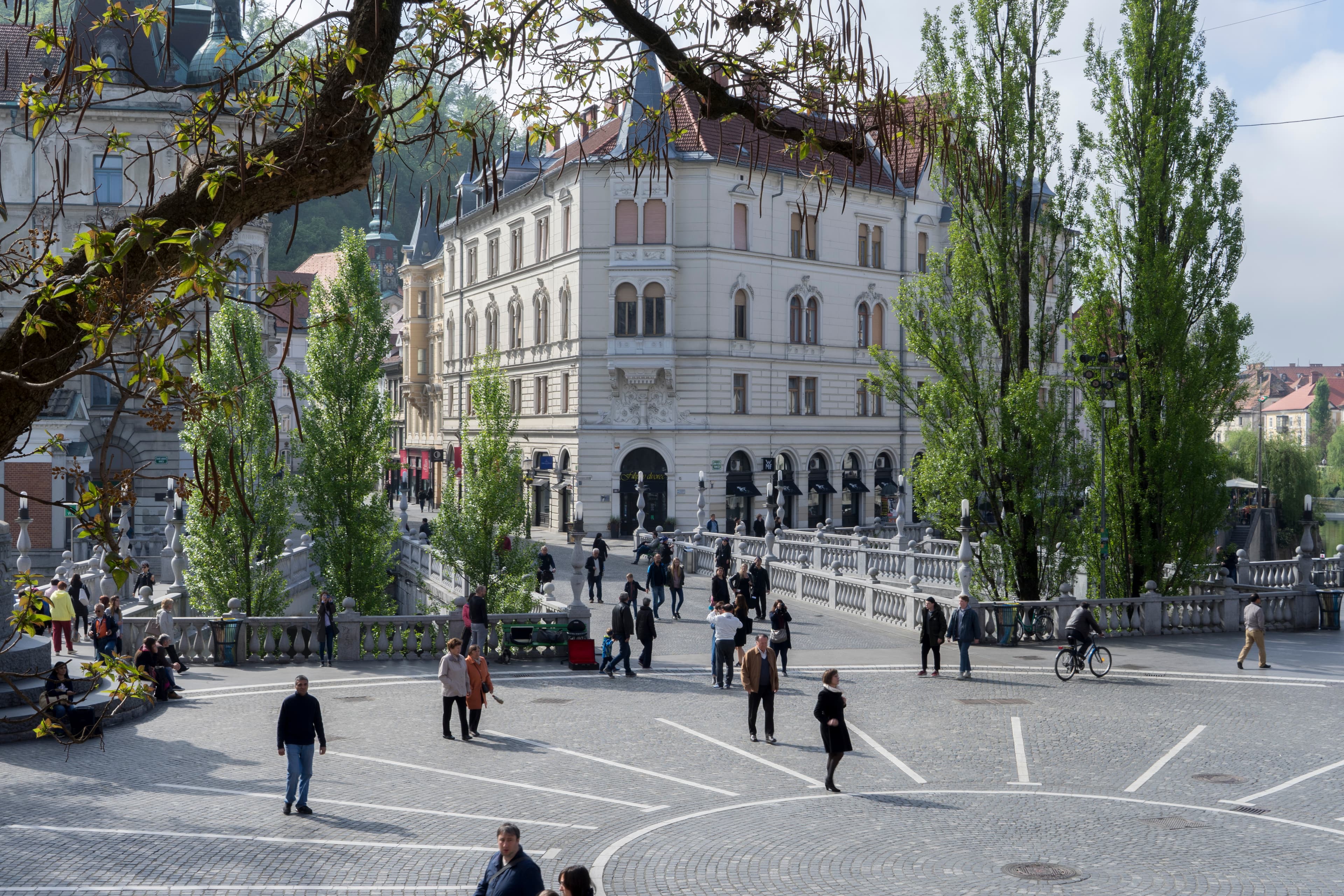
Slovenia: Ljubljana, Bled, Bohinj and the Julian Alps
Suggested route: Ljubljana → Lake Bled → Lake Bohinj → Kranjska Gora
Ideal duration: 4–6 days
Slovenia is compact, beautiful and particularly convenient for a short winter road trip. You can move from Ljubljana to alpine lakes and mountain towns without spending entire days driving.
Highlights
- Ljubljana's historic centre
- Lake Bled
- Lake Bohinj
- Triglav National Park surroundings
- Kranjska Gora
- Julian Alps scenery
Some high mountain roads and passes in the Julian Alps may not be accessible during winter. Plan routes using major roads rather than assuming summer sightseeing loops will remain open.
Best for: beginners, couples, families and travellers seeking a relatively affordable alpine destination.
Norway: Fjords and Arctic Winter Landscapes
Norway offers some of Europe's most dramatic winter road-trip scenery, but driving conditions can be significantly more demanding than in central Europe.
Instead of attempting enormous distances, choose one geographic region and explore it slowly. Northern Norway around Tromsø can work particularly well for travellers interested in Arctic landscapes and Northern Lights experiences.
Coastal roads, mountains, snow, darkness and rapidly changing conditions can make short distances take longer than expected.
Best for: experienced winter drivers, photographers and Arctic adventure travellers.
Finnish Lapland
Suggested area: Rovaniemi → Pyhä/Luosto region → Saariselkä
Ideal duration: 5–8 days
Finnish Lapland is an entirely different form of winter road trip. Roads pass through enormous snowy forests, temperatures can fall far below freezing and reindeer can appear close to or directly on the road.

Proper winter tyres are standard for local conditions, but visitors still need to adjust their speed, increase braking distances and remain alert for wildlife.
Lapland also offers opportunities for husky experiences, reindeer farms, snowmobiling, cross-country skiing, saunas and Northern Lights excursions.
Best for: Northern Lights trips, families, photographers and travellers seeking a true Arctic experience.
Transylvania, Romania
Suggested route: Bucharest → Sinaia → Brașov → Bran → surrounding Carpathians
Ideal duration: 4–7 days
Transylvania offers one of Europe's most distinctive winter road-trip combinations: medieval towns, castles, snowy forests and the Carpathian Mountains.
Brașov makes an excellent base. From here, travellers can explore surrounding towns, mountain areas, Bran Castle and Peleș Castle near Sinaia.
Winter weather can make rural roads slower, so avoid overly ambitious daily distances.
Best for: budget-conscious travellers, history lovers and photographers.
Renting a Car vs Driving Your Own Car
Driving your own car
Driving your own vehicle can be convenient if you live within reasonable distance of the Alps or central Europe. You already know the car, can pack more equipment and avoid airport rental charges.
However, you are responsible for ensuring that your tyres and equipment comply with the requirements of every country on your route.
Renting a car
Renting is often more practical for international travellers arriving by air. Before confirming the booking, check specifically whether the car includes suitable winter tyres and whether snow chains are provided or available as an extra.
Never assume that every rental booked during winter automatically includes exactly the equipment required in every country you plan to visit.
Cross-border travel
If your itinerary crosses national borders, confirm that the rental company permits the vehicle to enter all countries on your route. Additional fees or restrictions may apply.
For example, a Munich → Innsbruck → Dolomites itinerary crosses from Germany to Austria and then Italy. Your rental agreement should explicitly allow this journey.
Winter Tyres, Snow Chains and Local Regulations
Winter-equipment rules vary across Europe and can depend on country, region, road, weather conditions and time of year.
Regulations can also change, so travellers should verify the latest official information shortly before departure.
Italy
Many Italian roads, particularly in northern and mountain regions, impose seasonal requirements for winter tyres or approved snow equipment during designated periods.
Signs at the roadside indicate specific requirements. If driving through the Dolomites, carry appropriate equipment even if conditions appear dry when you start the journey.
Austria
Austria has specific winter-equipment requirements when roads are affected by winter conditions. Drivers should verify tyre specifications and snow-chain requirements before travelling.
Germany
Germany's rules are based strongly on winter driving conditions rather than simply a universal calendar date. Appropriate tyres are required when roads are affected by snow, ice and similar winter conditions.
France
Mountain regions can have seasonal winter-equipment requirements. Check the rules applying to the departments you plan to visit, especially when driving towards the Alps or other mountain areas.
Slovenia
Slovenia also has seasonal winter-driving requirements. Ensure the vehicle's equipment meets current Slovenian rules before entering the country.
Important: always verify official national regulations for your exact travel dates. Do not rely only on information provided several months earlier.
How to Drive Safely on Snow and Ice
Winter driving is primarily about reducing speed, increasing distance and avoiding sudden movements.
- Accelerate gently.
- Brake progressively rather than aggressively.
- Increase the gap between your car and the vehicle ahead.
- Reduce speed before bends rather than braking heavily in the middle of them.
- Avoid sudden steering movements.
- Use lower speeds when descending mountain roads.
- Be particularly careful on bridges and shaded sections where ice can remain longer.
- Allow extra time instead of trying to maintain your original summer-style itinerary.
Watch for black ice
Black ice can be difficult to see and may form even when the road appears clear. Shaded mountain roads, bridges and early-morning sections deserve particular caution.
Do not blindly follow navigation apps
Navigation systems may sometimes suggest shortcuts using small mountain roads. In winter, the fastest-looking option on a map is not necessarily the safest route.
Prefer major roads when severe weather is expected.
Roads and Mountain Passes That May Close in Winter
One of the biggest mistakes travellers make is planning a December or January trip using a summer itinerary.
High-altitude roads across the Alps often have seasonal closures, while other passes can close temporarily because of heavy snowfall, avalanche risk or dangerous road conditions.
Famous scenic passes should never be treated as guaranteed winter routes.
Build your itinerary around major all-season roads and treat high mountain passes as optional rather than essential.
How to check conditions
- National road authorities
- Regional traffic portals
- Official motorway operators
- Local tourism offices
- Weather services
- Live webcams from ski resorts and mountain roads
- Navigation apps for current traffic information
Check conditions the evening before travelling and again before leaving in the morning.
Best Winter Road Trips for Beginners
Travellers without extensive snow-driving experience should prioritize destinations with short daily distances, good infrastructure and alternative routes.
- Alsace and the Black Forest — winter atmosphere without relying heavily on high mountain roads.
- Slovenia — compact distances between Ljubljana, Bled and nearby destinations.
- Bolzano and Val Gardena — excellent infrastructure and manageable distances if conditions are suitable.
- Bavaria and Innsbruck — major roads connect most principal destinations.
Avoid making your first snow-driving experience a long journey through remote Arctic roads during extreme weather.
Best Winter Road Trips for Couples
Couples looking for scenic accommodation, romantic villages and relaxed evenings have several excellent choices.
- Dolomites: mountain hotels, spas, ski resorts and dramatic scenery.
- Alsace: colourful villages, wine-region atmosphere and winter food.
- Lake Bled: romantic lake scenery surrounded by alpine mountains.
- Lapland: glass cabins, snowy forests and Northern Lights experiences.
Best Winter Road Trips for Families
Families should avoid excessive driving and choose destinations where attractions are clustered together.
Good options include:
- Bavaria and Innsbruck
- South Tyrol and the Dolomites
- Slovenia
- Finnish Lapland
Lapland is particularly popular with families because winter activities can include reindeer experiences, husky rides and snowy forest adventures.
Always keep additional warm clothing, water and snacks inside the car when travelling with children.
Best Affordable Winter Road Trips in Europe
Winter road-trip costs vary dramatically depending on accommodation, fuel, rental rates and whether you visit major ski resorts.
For travellers prioritizing value, consider:
- Transylvania, Romania
- Slovenia outside peak holiday periods
- Smaller towns in Germany rather than major ski resorts
- South Tyrol accommodation outside the most famous resort centres
Norway and Finnish Lapland generally require a larger budget, particularly for rental cars, accommodation and organised winter activities.
Featured 7-Day Winter Road Trip: Milan to the Dolomites and Verona
This route is particularly practical for travellers beginning in northern Italy. It combines lakes, historic towns and the Dolomites without requiring an extreme amount of driving.
Route: Milan → Lake Garda → Bolzano → Ortisei → Val Gardena → Cortina d'Ampezzo → Verona
Day 1 — Milan to Lake Garda
Leave Milan in the morning and drive east towards Lake Garda. Depending on your interests, consider stopping in Sirmione, Desenzano del Garda or another lakeside town.
Winter gives Lake Garda a quieter atmosphere than summer, although some seasonal businesses may have reduced hours.
Overnight: Lake Garda.
Day 2 — Lake Garda to Bolzano
Continue north towards Bolzano, the gateway to South Tyrol. Explore the historic centre and enjoy the blend of Italian and Alpine culture.
During the Christmas season, Bolzano is particularly atmospheric.
Overnight: Bolzano.
Day 3 — Bolzano to Ortisei
Drive towards Val Gardena and settle into Ortisei. Keep the afternoon relatively relaxed so you can explore the village and surrounding scenery.
Overnight: Ortisei.
Day 4 — Val Gardena
Spend a full day in Val Gardena. Depending on snow conditions and your interests, choose skiing, winter walking, cable-car excursions or simply visiting the nearby villages.
Overnight: Ortisei, Santa Cristina or Selva di Val Gardena.
Day 5 — Val Gardena to Cortina d'Ampezzo
Continue through the Dolomites towards Cortina. Winter conditions can substantially affect travel times, so check the recommended route shortly before departure.
Do not assume scenic summer mountain passes will be available.
Overnight: Cortina d'Ampezzo.
Day 6 — Cortina d'Ampezzo
Spend a full day enjoying Cortina and its surrounding mountain scenery. Skiers can use the day on the slopes, while non-skiers can explore town, mountain viewpoints or winter walking areas.
Overnight: Cortina.
Day 7 — Cortina to Verona
Leave the mountains and head towards Verona. Finish the trip with an evening exploring Piazza delle Erbe, the Arena area and the historic centre.
Verona also provides convenient onward motorway connections towards Milan and other northern Italian cities.
Who is this itinerary best for?
- Travellers based in Milan or northern Italy
- International visitors arriving through Milan
- Couples
- Families
- First-time Dolomites visitors
- Travellers wanting scenery without driving all day
Sample 3-Day Winter Road Trip: Bolzano and Val Gardena
Day 1 — Bolzano
Arrive in Bolzano, explore the historic centre and stay overnight.
Day 2 — Bolzano to Ortisei
Drive into Val Gardena, visit Ortisei and spend the afternoon enjoying the mountains.
Day 3 — Val Gardena
Spend the morning skiing, walking or visiting nearby villages before returning towards Bolzano.
This is an excellent option for travellers based in northern Italy who want a winter weekend without attempting a long multi-country journey.
Munich → Innsbruck → Dolomites: A Practical One-Week Alpine Route
Another excellent seven-day route begins in Munich and finishes in the Dolomites. Instead of trying to cross numerous difficult mountain passes, the journey follows major transport corridors between Germany, Austria and Italy.
Suggested itinerary
- Day 1: Munich
- Day 2: Munich → Garmisch-Partenkirchen
- Day 3: Garmisch-Partenkirchen → Innsbruck
- Day 4: Innsbruck
- Day 5: Innsbruck → Bolzano via the Brenner corridor
- Day 6: Bolzano → Val Gardena
- Day 7: Dolomites
Travellers with more time can continue towards Cortina d'Ampezzo or Verona.
Scandinavian Winter Driving
Winter driving in Scandinavia should be approached differently from driving in the Alps.
Snow may remain on roads for long periods rather than being completely cleared to bare asphalt. Drivers therefore need to become comfortable with consistently wintry surfaces.
Expect:
- Very short daylight hours in midwinter.
- Extremely low temperatures.
- Snow-covered roads.
- Wildlife close to the road.
- Long distances between services in some regions.
- Rapid changes in weather.
Avoid planning long driving days. A journey that would feel easy in summer may become tiring in winter darkness.
Best Northern Lights Road Trips
Renting a car can give travellers flexibility when searching for clear skies away from urban light pollution, but chasing the Northern Lights should never encourage unsafe driving.
Popular regions include:
- Tromsø region, Norway
- Finnish Lapland
- Northern Sweden
- Abisko region, Sweden
Weather conditions matter just as much as aurora activity. Cloud cover can prevent you from seeing anything even during strong auroral activity.
If you are not comfortable driving at night on snow-covered Arctic roads, booking a guided Northern Lights tour is often the better option.
Finding Winter Accommodation with Parking
Parking deserves more attention on a road trip than many travellers expect.
Historic European town centres often have limited vehicle access, pedestrian zones or expensive underground parking. Meanwhile, mountain accommodation may have outdoor parking that becomes difficult after heavy snowfall.
Before booking, check:
- Whether parking is included.
- Whether parking must be reserved.
- Whether the parking is covered.
- Whether EV charging is available.
- Whether the hotel is inside a restricted traffic zone.
- How far parking is from the accommodation.
Covered parking can be particularly useful during heavy snowfall because you may avoid clearing a large amount of snow and ice from the vehicle each morning.
Fuel, Tolls and Motorway Vignette Costs
European driving costs vary considerably between countries.
Some countries use motorway toll booths, while others require a vignette or electronic motorway permit. Certain tunnels, bridges and alpine routes can have additional charges.
Before departure, budget for:
- Fuel
- Motorway tolls
- Vignettes
- Tunnel or bridge fees
- Hotel parking
- City parking
- Winter-equipment rental
- Cross-border rental fees
Austria, Slovenia and several other European countries use motorway-vignette systems. Italy commonly uses distance-based motorway tolls.
Prices and rules can change, so always check official transport websites shortly before travelling rather than relying on an old screenshot or blog article.
Can You Take an Electric Car on a European Winter Road Trip?
Yes, but cold weather needs to be included in your planning.
Low temperatures can reduce the usable driving range of an electric vehicle because energy is needed both for driving and for heating the battery and cabin.
EV winter road-trip tips
- Plan charging stops before leaving.
- Do not rely on reaching a charger with an extremely low battery.
- Use battery preconditioning when supported by your vehicle.
- Choose hotels with overnight charging when possible.
- Expect greater energy consumption in cold weather.
- Keep alternative charging stations in your navigation app.
- Allow an additional range buffer in remote mountain regions.
EV infrastructure is extensive across many parts of Germany, Austria, northern Italy, France and Scandinavia, but charger availability can be more limited in remote regions.
What to Keep in Your Car During a Winter Road Trip
Even on a short journey, carry enough equipment to remain safe if traffic stops or severe weather delays you.
- Snow chains where appropriate or required
- Ice scraper
- Snow brush
- Gloves
- Warm blanket
- Extra winter jacket
- Water
- Snacks
- Phone charging cable
- Power bank
- Flashlight
- Basic first-aid kit
- Reflective safety vest where required
- Warning triangle where required
- Windshield washer fluid suitable for freezing temperatures
In remote Scandinavian areas, preparation should be more conservative because temperatures can be extreme and assistance may take longer to arrive.
Winter Road-Trip Packing List
Clothing
- Waterproof winter jacket
- Insulating mid-layers
- Thermal base layers
- Warm trousers
- Waterproof boots
- Warm socks
- Gloves
- Hat
- Scarf or neck warmer
Travel equipment
- Portable charger
- Charging cables
- Offline maps
- Reusable water bottle
- Sunglasses
- Sunscreen for snowy mountain areas
- Small backpack
- Travel documents
- Insurance documents
Photography
- Camera
- Spare batteries
- Lens cloth
- Weather-resistant camera bag
- Tripod for Northern Lights photography
Batteries can discharge more quickly in very cold temperatures, so keep spare batteries somewhere warm.
See also: Winter Packing Guide.
Travel Insurance and Rental-Car Coverage
Winter conditions introduce additional risks, so read your insurance documents rather than assuming every situation is automatically covered.
Check:
- Rental-car excess or deductible
- Collision damage coverage
- Tyre and windscreen coverage
- Roadside assistance
- Cross-border restrictions
- Coverage for skiing or winter sports
- Medical coverage
- Trip interruption
If you plan to ski, snowboard or participate in other winter activities, standard travel insurance may not always include everything automatically.
How to Check Weather and Road Conditions
Never rely on a single weather app when planning a winter mountain drive.
Check both the general weather forecast and current road information.
A useful routine is:
- Check the forecast the evening before.
- Check overnight snowfall predictions.
- Look at local webcams.
- Check official road closures.
- Review the route again in the morning.
- Keep an alternative route available.
If authorities advise against unnecessary travel because of severe conditions, modify your itinerary rather than attempting to remain on schedule.
How Much Should You Drive Each Day?
One of the best ways to make a winter road trip enjoyable is to reduce daily driving distances.
In summer, driving 400 kilometres between destinations may be manageable. In winter, the same journey can become tiring after snowfall, darkness and mountain traffic.
For scenic alpine itineraries, aim for shorter transfers whenever possible. Spending two nights in the same destination is often better than changing hotels every day.
A winter road trip should feel like a journey through the landscape, not a race between hotel check-ins.
Best Snowy Road Trips in Europe
- Finnish Lapland
- Dolomites, Italy
- Austrian Alps
- Northern Norway
- Julian Alps, Slovenia
- Carpathians, Romania
Snow is never guaranteed at every elevation or on every date, but these areas provide some of Europe's strongest opportunities for a genuinely wintry landscape.
Common Winter Road-Trip Mistakes
Planning too many kilometres
Winter roads are slower. Build extra time into every travel day.
Assuming every mountain pass is open
A route visible on Google Maps does not mean that it is suitable or accessible throughout winter.
Renting the cheapest possible car without checking tyres
Winter equipment is more important than saving a small amount on the rental price.
Driving like it is summer
Reduce speed and allow substantially more distance for braking.
Following navigation shortcuts
Small roads may be poorly suited to severe winter conditions.
Leaving fuel or battery too low
Refuel or recharge earlier than you would on an ordinary urban journey.
Ignoring daylight
Northern Europe can have very limited daylight in December and January.
Booking hotels without checking parking
Historic town centres can make parking complicated and expensive.
Wearing inadequate footwear
Even if the roads are clear, pavements and parking areas may be icy.
Treating the itinerary as fixed
Flexibility is one of the most important skills for winter travel. Snowfall may require changing your plans.
Which European Winter Road Trip Should You Choose?
| Route | Best For | Recommended Duration | Winter Driving Difficulty |
|---|---|---|---|
| Dolomites | Mountains, skiing, couples | 4–7 days | Moderate |
| Tyrol → Dolomites | Multi-country alpine trip | 5–7 days | Moderate |
| Bavaria → Austrian Alps | Families, castles, first-timers | 5–7 days | Easy to moderate |
| Alsace → Black Forest | Christmas atmosphere and couples | 4–6 days | Generally easier |
| Slovenia | Short trips and value | 4–6 days | Easy to moderate |
| Norway | Arctic landscapes and photography | 5–8 days | More demanding |
| Finnish Lapland | Northern Lights and families | 5–8 days | Moderate to demanding |
| Transylvania | Culture, castles and budget travel | 4–7 days | Moderate |
Final Winter Road-Trip Preparation Checklist
- Check winter tyre requirements.
- Carry snow chains where required or recommended.
- Verify current mountain-road closures.
- Check weather forecasts before each travel day.
- Download offline maps.
- Confirm rental-car cross-border permission.
- Check motorway vignette requirements.
- Budget for toll roads and parking.
- Choose accommodation with convenient parking.
- Carry warm clothing inside the vehicle.
- Keep food and water available.
- Carry a charged power bank.
- Keep fuel or EV charge comfortably above critical levels.
- Check roadside-assistance details.
- Confirm travel-insurance coverage.
- Allow extra time between destinations.
- Keep your itinerary flexible during severe weather.
More European Winter Travel Ideas
Planning a longer European winter trip? Continue with these Travel Edit Magazine guides:
- Winter Packing Guide: What to Bring for a European Winter Trip
- Best Winter Sports Destinations in Europe
- Best Winter Events in Europe 2026–2027
- Best Warm Winter Destinations in Europe
- Europe by Train on a Budget
Frequently Asked Questions
Is it safe to road trip through Europe in winter?
Yes, provided the vehicle has suitable winter equipment and the driver adapts to the conditions. Severe snowfall, ice and mountain-road closures can still require itinerary changes.
What is the best winter road trip in Europe for beginners?
Slovenia, Alsace and the Black Forest, Bavaria, and the lower valleys of South Tyrol are good options because distances can be kept relatively short and the main tourist areas have strong infrastructure.
Is the Dolomites road trip possible in winter?
Yes. The Dolomites are one of Europe's best winter road-trip destinations, but routes should be planned around current road conditions and seasonal pass closures.
Can I drive from Munich to the Dolomites in winter?
Yes. A practical route travels south through Austria and the Brenner corridor towards South Tyrol. Always verify weather, road conditions, winter-equipment regulations and motorway requirements before travelling.
Can I drive from Milan to the Dolomites in winter?
Yes. Milan works particularly well as a starting point for a northern Italian road trip through Lake Garda, Bolzano, Val Gardena, Cortina d'Ampezzo and Verona.
Do I need snow chains in Europe?
Requirements vary by country, region, road and weather conditions. Some roads require winter tyres, chains or other approved equipment during designated periods or conditions. Verify the rules applying to every country on your itinerary.
Is an SUV necessary for a winter road trip?
Not necessarily. Proper winter tyres, suitable equipment and careful driving are generally more important than simply choosing a large vehicle. However, vehicle suitability also depends on the exact destination and expected conditions.
Can I take an EV to the Dolomites in winter?
Yes. Charging infrastructure is available across northern Italy, but cold temperatures can reduce range. Plan charging stops conservatively and prioritize accommodation with overnight charging when possible.
Where is the best place for a Northern Lights road trip?
Northern Norway, Finnish Lapland and northern Sweden are among Europe's most popular options. Drivers should be comfortable with darkness, snow, ice and very low temperatures.
Final Thoughts
Europe's best winter road trips are not necessarily the ones covering the greatest distance. The most memorable journeys often involve driving slowly between a handful of carefully chosen destinations, stopping in mountain villages and leaving enough flexibility for the weather.
For a first winter road trip, the Dolomites, Bavaria, Austria or Slovenia provide an excellent combination of scenery and infrastructure. Travellers looking for something more adventurous can continue north towards Norway or Finnish Lapland, where snowy forests and Northern Lights create a completely different experience.
If you are beginning from northern Italy, the route from Milan through Lake Garda, Bolzano, Val Gardena and Cortina before finishing in Verona is particularly well balanced for a seven-day trip.
Whichever route you choose, winter changes quickly. Check road conditions, equip the car properly, avoid overly ambitious distances and always be prepared to adjust your plans.
With the right preparation, a European winter road trip can become one of the most atmospheric and unforgettable ways to experience the continent.
Travel note: Winter-driving laws, motorway fees, tyre requirements, road closures and weather conditions can change. Always verify current information with official national and regional authorities before travelling.
Image note: Images embedded in this article are hosted by Unsplash and are intended for use under the applicable Unsplash licence. Review the current licence and attribution requirements before publication.